
Inside Visit Pakistan: Taking Guests Beyond the Headlines at Birmingham Council House
“Pack your assumptions aside and set your Spirit of Pakistan in the upright position. Flight PK1947 is now ready for boarding.”
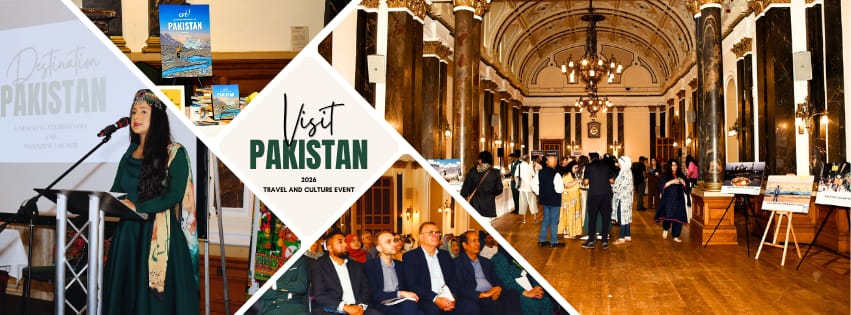
On Tuesday, 4 August, Capra Falconeri Traveller magazine presented Visit Pakistan, a travel and culture event held in the Banqueting Suite of Birmingham’s historic Council House, as part of the wider Spirit of Pakistan Festival.
Styled around the experience of a journey, the opening airport departure call instantly set the tone for an immersive afternoon. Guests were invited to leave conventional headlines behind and discover a more multifaceted side of Pakistan.
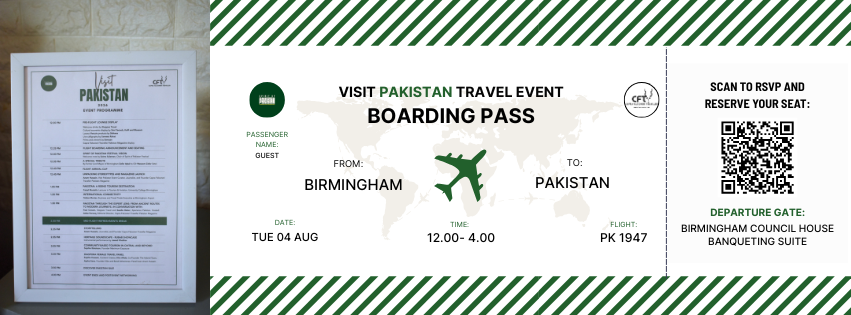
The travel theme began before guests even arrived, with exclusive, invite-only boarding-pass-style invitations.
Hosted in proud partnership with Birmingham Airport and Turkish Airlines, the event drew travel enthusiasts, industry leaders, and diaspora community members. Guests were welcomed with fruit drinks, courtesy of Steppes Travel, before settling in to explore the exhibition and programme.
Rather than beginning with a speech, Visit Pakistan began with sound. A short video clip filled the room with the sounds of Pakistan: the calls of its streets, its food markets, its landscapes, and its many faiths and traditions. It was an introduction through atmosphere rather than statistics, an invitation to experience the country with all the senses.
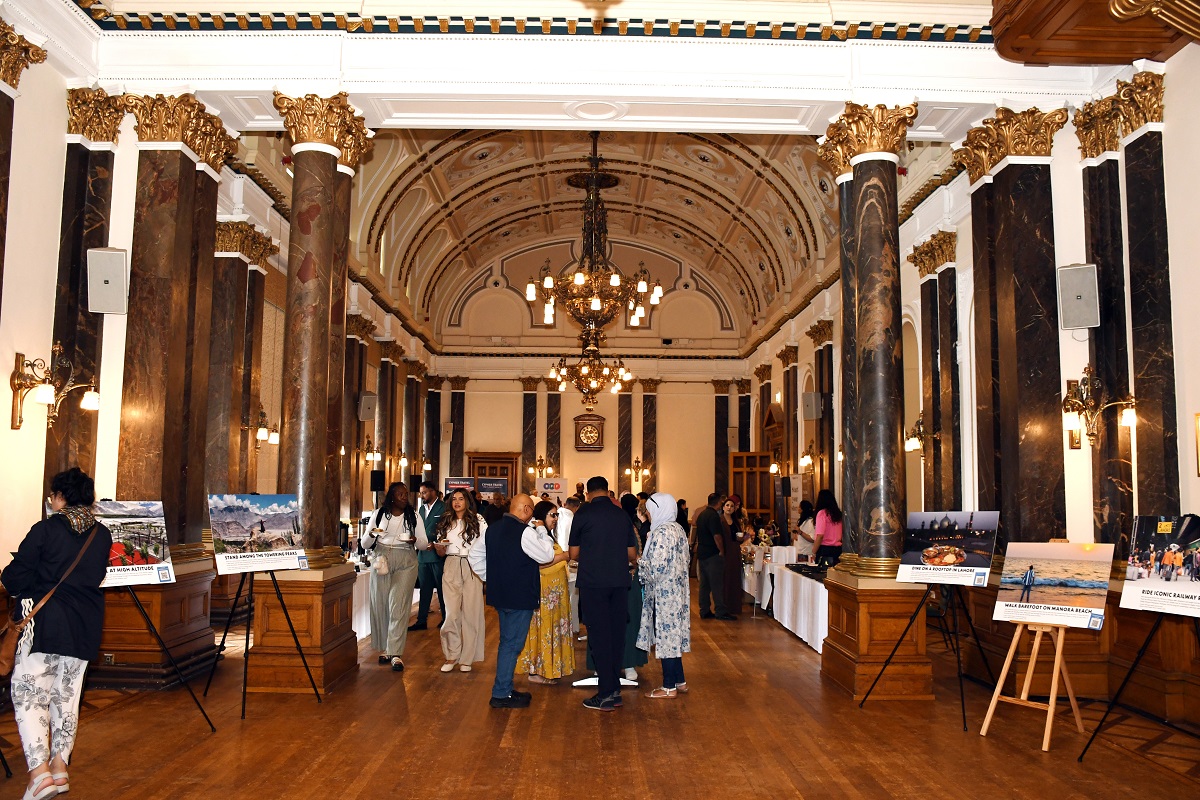
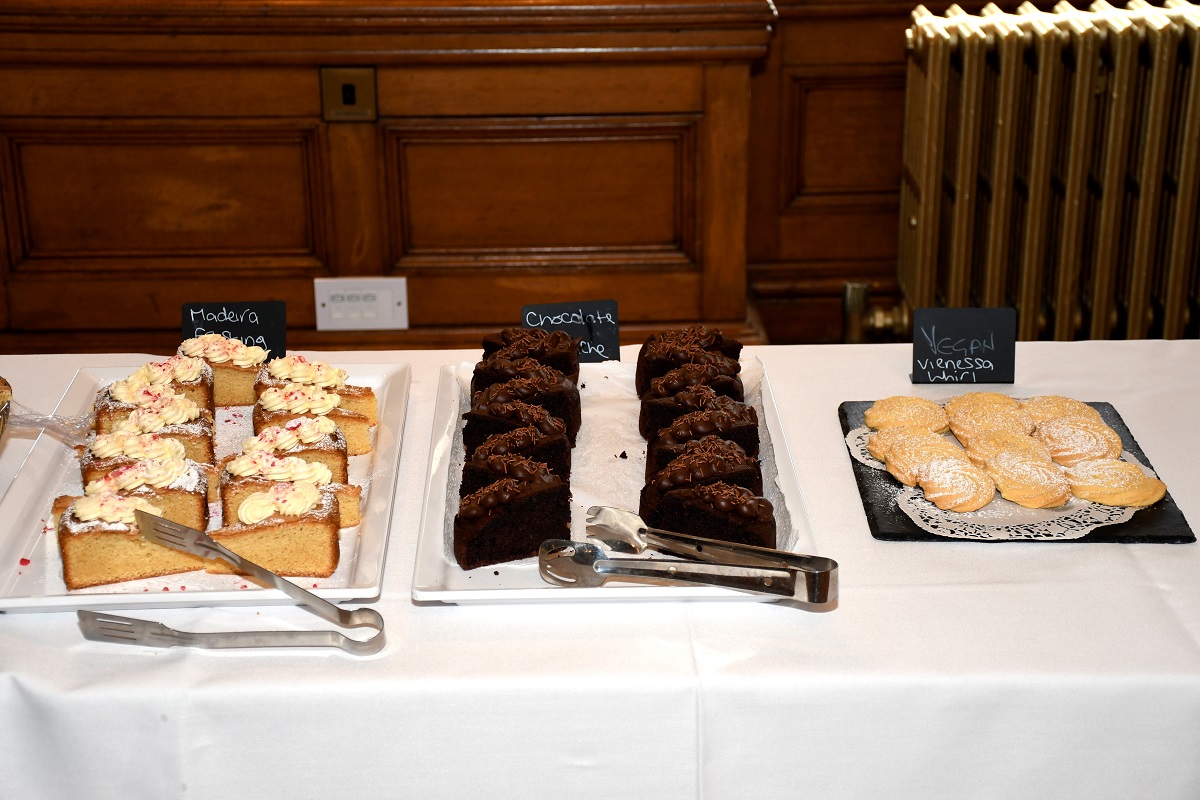
The grandeur of the Council House Banqueting Suite complemented the content of the programme. Elegant in-house catering, from delicate pastries and cakes to tea and coffee, created the feel of a refined travel gathering rather than a conventional tourism presentation.
But, it was the photography exhibition that stopped guests in their tracks.
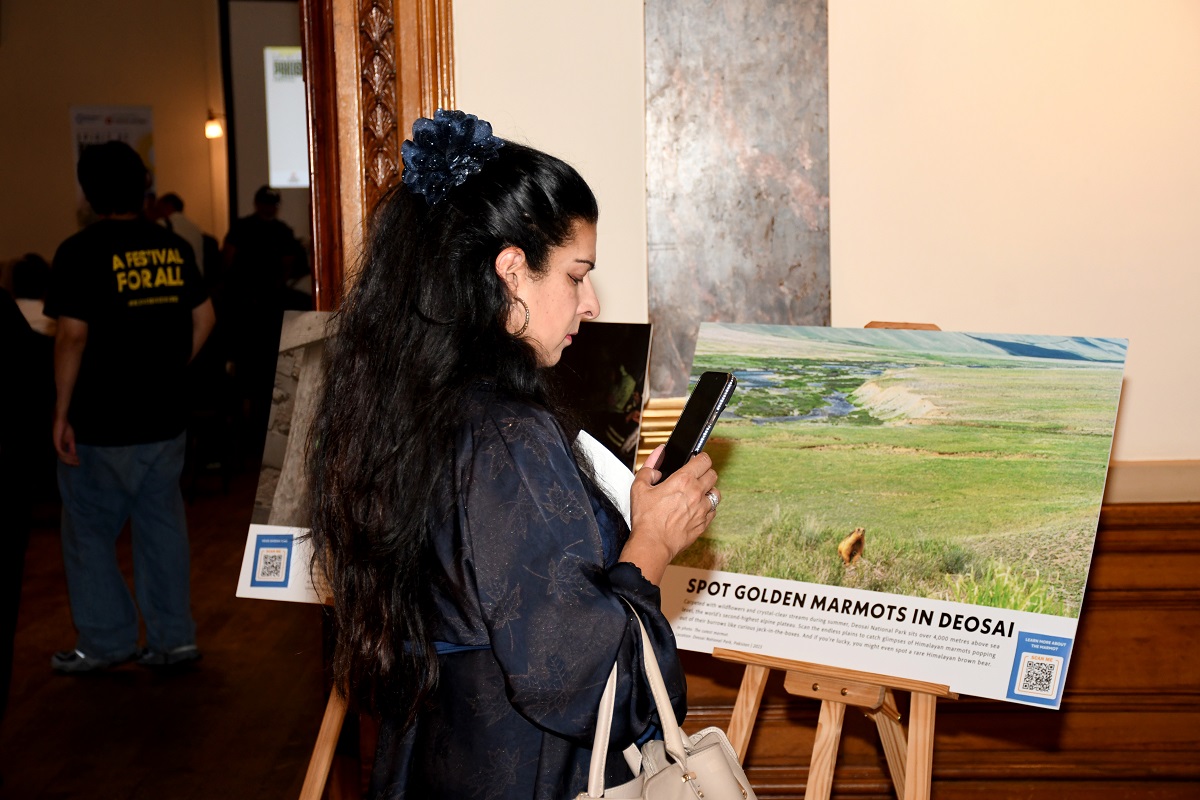
At the centre of the suite, a QR-enabled exhibition presented Pakistan through the high mountains of the north, the coastline of the Arabian Sea, historic cities, and experiences rooted in local communities. The large-format photographs revealed a country of striking contrasts and unexpected encounters. Hospitality was part of the displayed experience too, with a traditional heritage stay in a Brangsa at Broq Resorts and FortuNorth Resort’s high-altitude padel court offering a glimpse into Pakistan’s evolving tourism landscape.
Accomplished musician, Jawad Khokar, brought the distinctive sound of the rubab to the event, filling the room with music rooted in Pakistan’s rich musical heritage. Meanwhile, Sameea Rahat’s live calligraphy offered a personalised keepsake, with hand fans inscribed in Urdu and Arabic proving a particular favourite among attendees.
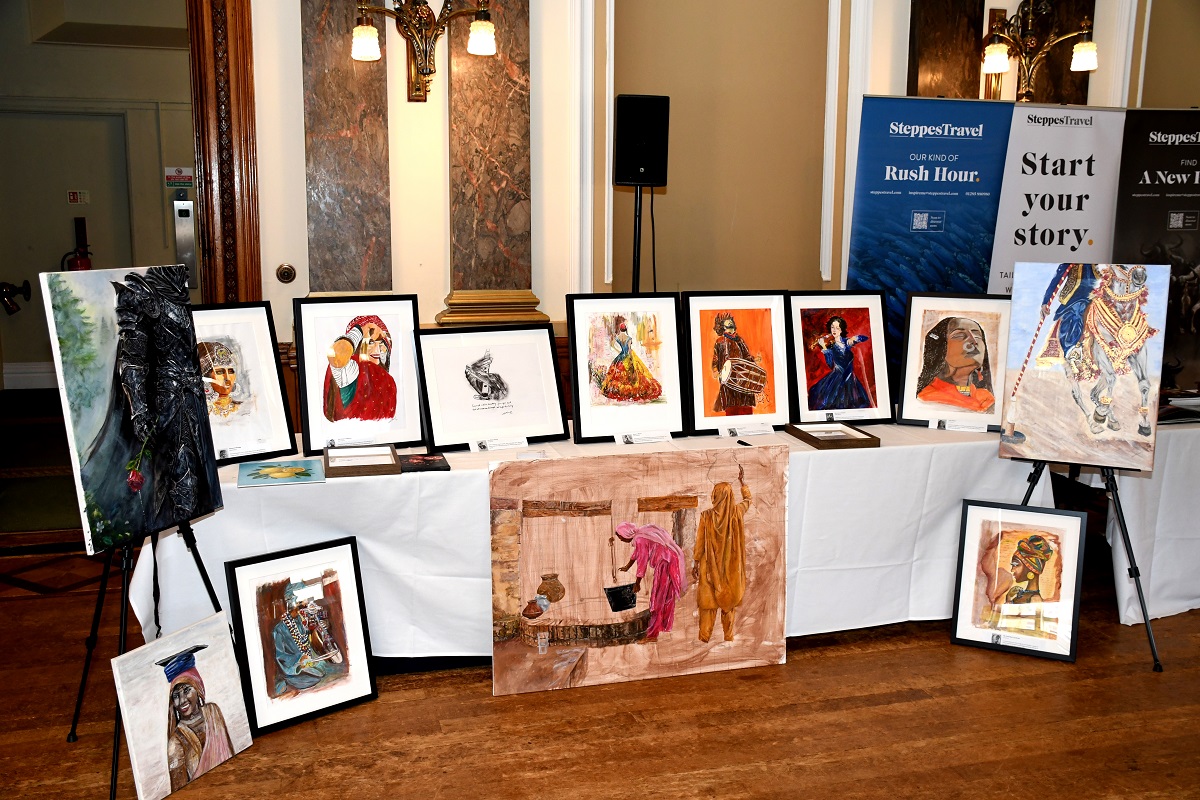
Pakistani art by mother-and-daughter duo, Nosheen Gilani and Eeman Gilani, further added character to the suite. The sensory experience extended to bespoke fragrances by Sikhana, with diffusers and candles introducing scents inspired by Pakistan.
And then, there was our Capra Falconeri Traveller magazine, presented in a striking new turquoise-and-yellow cover featuring Huma Tariq, founder of The North Drive, photographed at Goro 1 on the route to Concordia and K2 Base Camp. Copies sat alongside the exhibition displays, marking the launch of the latest edition and giving guests something tangible to take away.
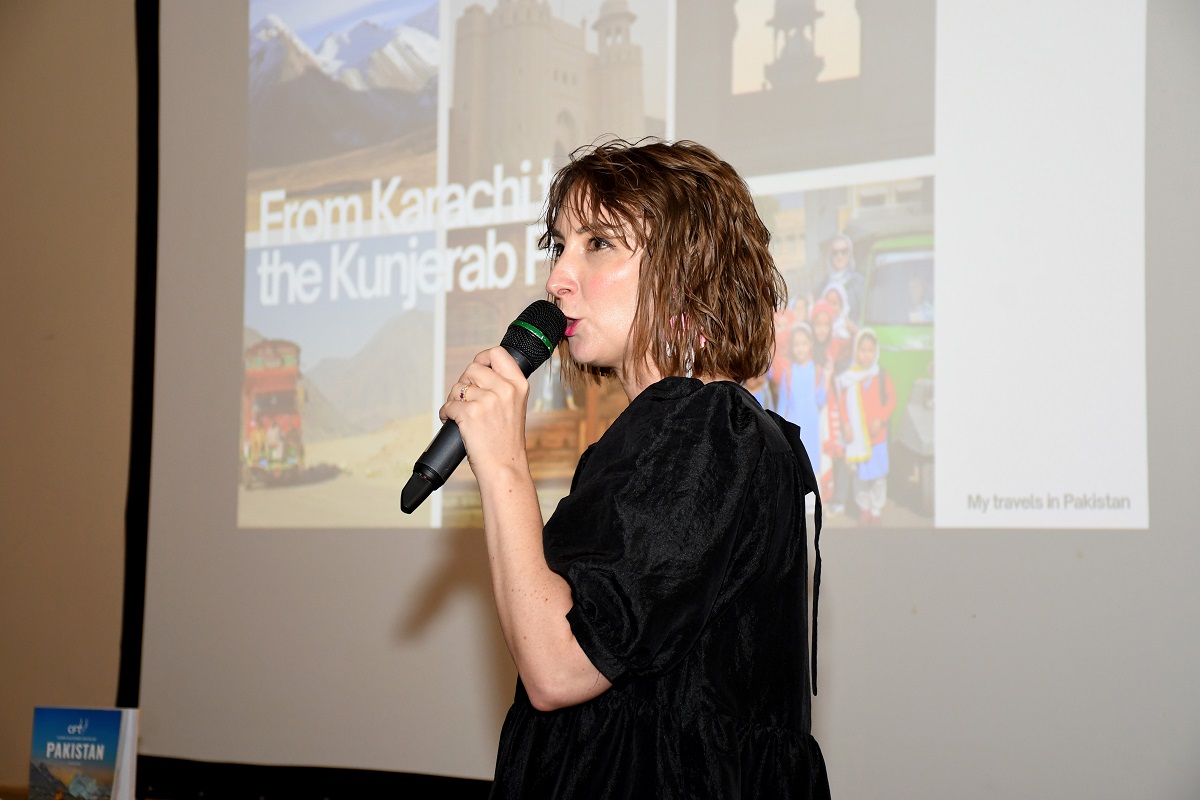
Opening the event with a powerful keynote, our founder, Anam Hussain, shifted the focus away from the conventions of a traditional tourism pitch, instead challenging guests to consider how their perceptions of Pakistan had been formed in the first place.
“When you finally land at a destination, that’s when your observations about a country should truly begin. Not before. Not through a headline you’ve read, a news report you may have scanned, a political conversation you may have heard, or a cinematic portrayal you may have seen, and certainly not through assumptions you may have unknowingly built over time.”
Drawing on her own travels across Pakistan, Hussain used firsthand experiences to illustrate the power of storytelling in shaping how a destination is understood. Rather than describing the country from a distance, she brought it to life through moments from her own journeys. From spending time with her grandparents in the courtyard of her family home in Lahore; celebrating with the women of Kalash; photographing her destination wedding in the mountains of Gilgit-Baltistan; and also reporting from the Cholistan Jeep Rally.
Moving the conversation forward and grounding it in data, Faisal Mustafa, Lecturer in Tourism and Aviation at University College Birmingham, placed Pakistan’s tourism growth in a wider context, examining the statistics behind a sector that is expanding rapidly but remains at an early stage of development. He also explored how social media and content creators are helping to reshape perceptions of Pakistan and generate new demand, reflecting the changing ways in which travellers discover destinations today.
Meanwhile, Tobias Morter, Birmingham Airport’s Business and Travel Trade Executive, explored the most practical question: how do you get there? His contribution highlighted the importance of air connectivity and route development, as well as the role regional airports can play in making destinations more accessible to new markets.
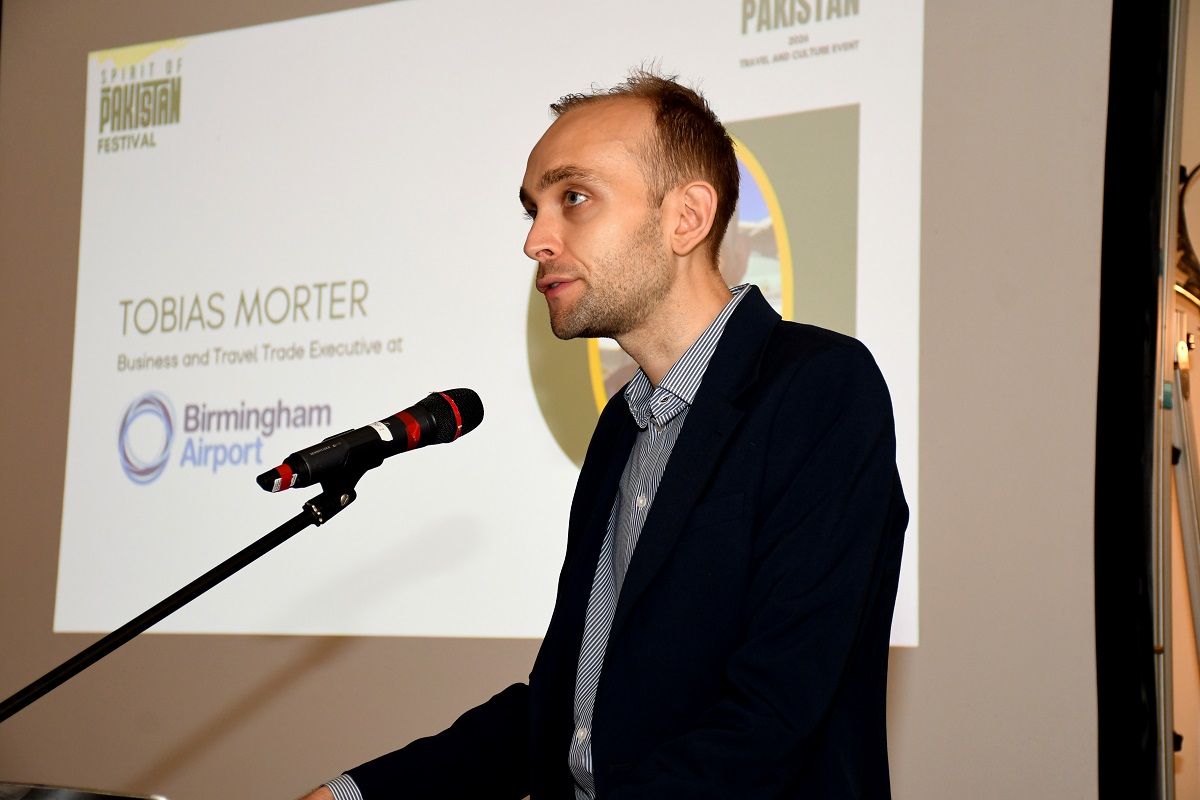
Adding a touch of humour, he also noted the familiar sight of Pakistan-bound passengers arriving with more luggage than the average traveller! But the underlying message was clear: connectivity is fundamental to tourism growth.
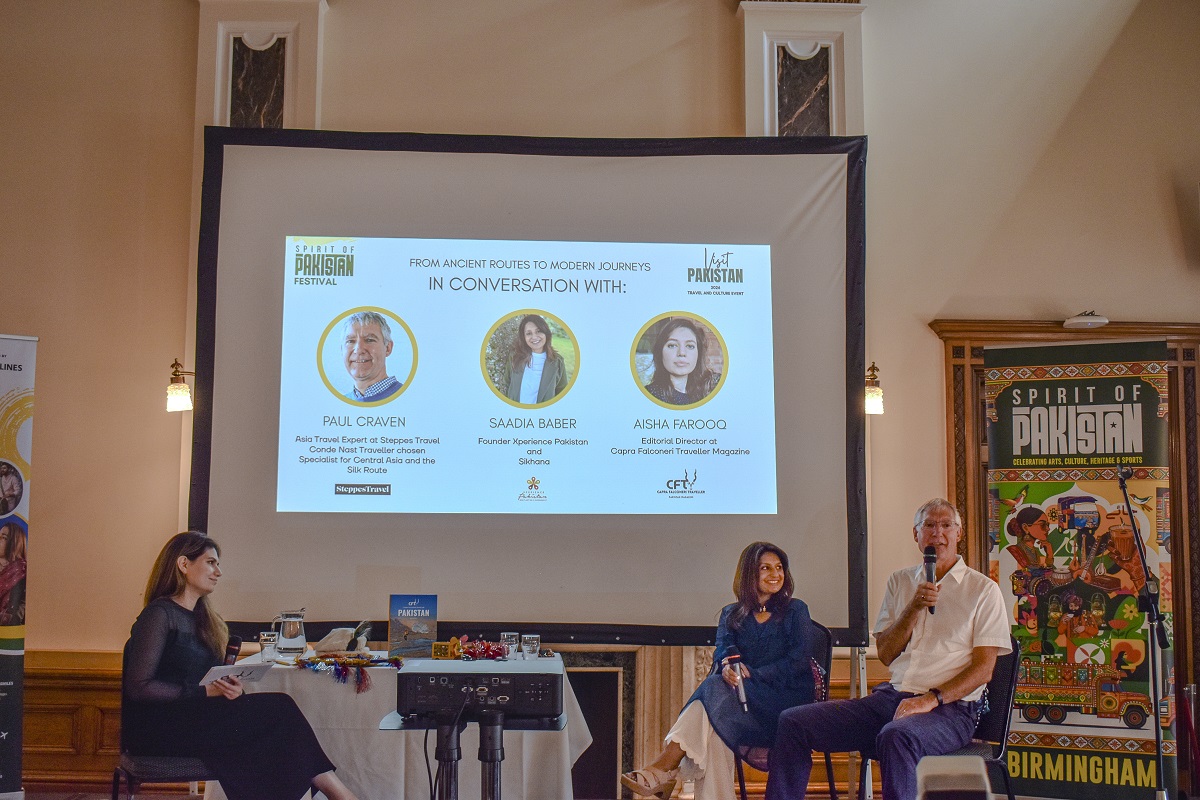
The first panel, From Ancient Routes to Modern Journeys, was moderated by CFT’s Editorial Director, Aisha Farooq, in conversation with Paul Craven, Asia Travel Expert at Steppes Travel and a Condé Nast Traveller-recommended specialist for Central Asia and the Silk Route. Alongside, Saadia Baber, founder of Xperience Pakistan and Sikhana. The conversation ranged from security concerns and Pakistan’s evolving perception among international travellers to the changing nature of travel itself. Craven offered an insight into this shift, recalling being asked how many people were on his trip. His answer was simply, “Two.” While larger groups are often expected, he explained that for his clients, “it’s quality over quantity,” reflecting the growing appetite for more personal, experience-led journeys. Baber brought a different perspective, speaking with particular passion about Peshawar’s food and the way cuisine can connect travellers with a place.
Sophie Ibbotson, tourism consultant and founder of Maximum Exposure, explored another side of the equation, focusing on community-based tourism. Her examples ranged from the Shandur Polo Festival and truck art in Rawalpindi to an upcoming Great Game tour she is leading with Steppes Travel. Her message was clear, responsible tourism is not simply about bringing visitors in, but about ensuring that the communities who create and host these experiences have a meaningful stake in the benefits that tourism brings.
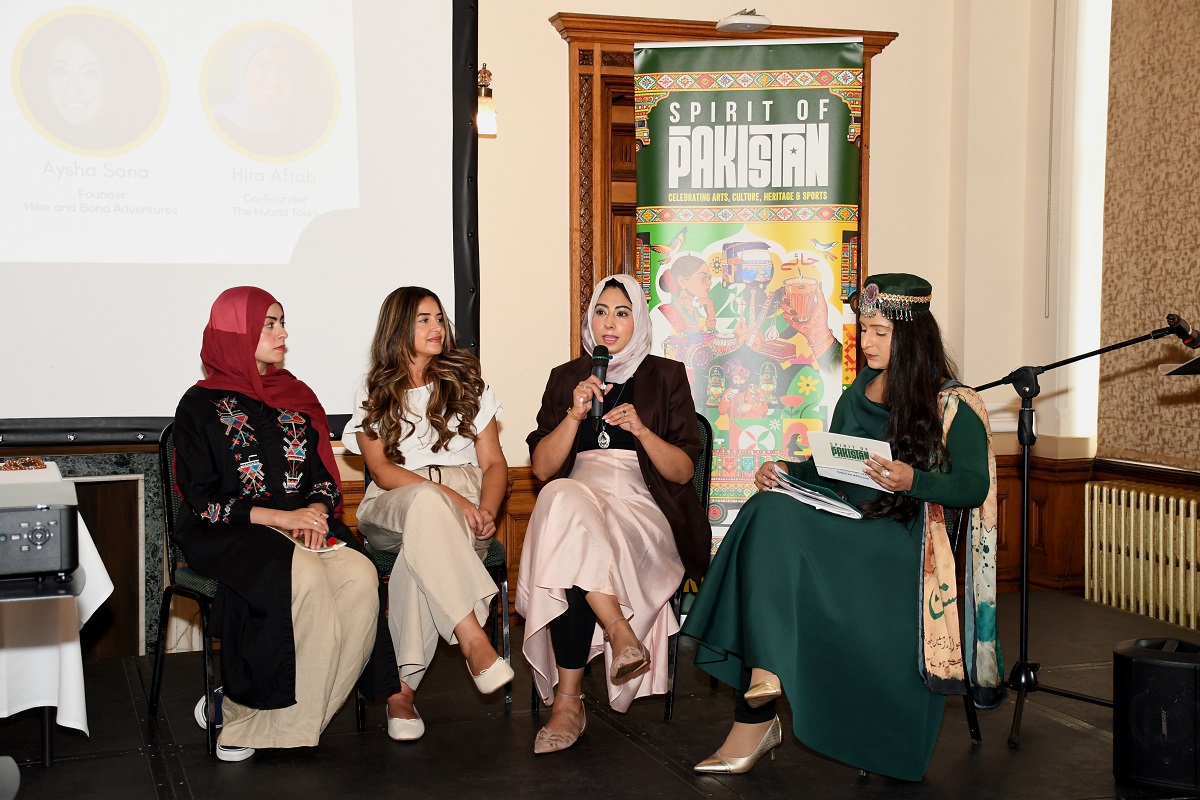
Towards the end of the programme, an all-female diaspora travel panel explored what it means for British Pakistanis to experience Pakistan as a destination in its own right. The panel featured content creator Sophie Hussain, Hira Aftab, co-founder of The Hybrid Tours, and Aysha Sana, founder of Hike and Bond Adventures. Each brought a distinct perspective on experiencing Pakistan beyond the usual family visits. They emphasised the importance of diaspora representation within Pakistan’s travel industry, rather than relying solely on a Western lens. They also highlighted the rising visibility of Pakistani female social media creators such as, Rozana with Rida.
Taken together, all the conversations painted a picture of a destination in transition. Pakistan is not a finished tourism product. It is a country whose travel infrastructure, connectivity, communities, and storytelling are evolving at the same time. Perhaps that is what made the afternoon feel different.
There was no attempt to pretend that perceptions of Pakistan can be changed by one event, one photograph, or one flight. Instead, Visit Pakistan offered a series of invitations: look again, listen differently, meet the people behind the places, and, eventually, go.
As the afternoon drew towards its close, guests continued to circulate around the photographs, magazines in hand, conversations spilling beyond the formal programme. But, perhaps, the most important part of the journey had already happened.
Destination Pakistan had finally been allowed to speak for itself.
Watch highlights of our Visit Pakistan event here: